
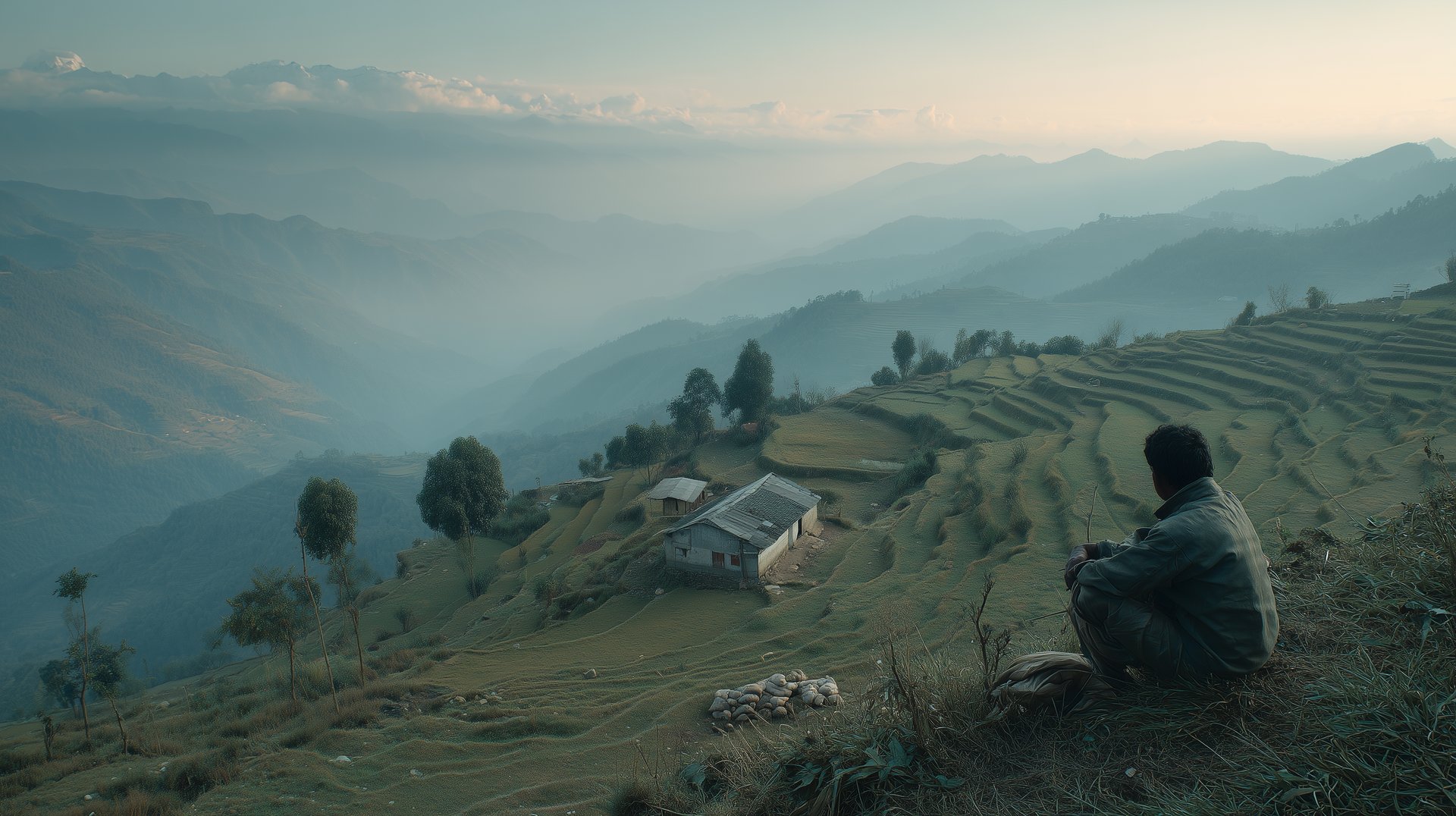
Nepal’s farmers stand at the fragile intersection of nature and survival. Nearly two-thirds of the country’s population still depends on agriculture, yet the sector contributes less than a quarter to the national GDP. Productivity remains low, costs continue to rise, and the safety nets are thin or absent.
In recent years, Nepal has recorded hundreds of farmer suicides, with studies and media reports consistently indicating an average of 2 to 3 farmers taking their lives every day. The reasons are painfully consistent: mounting debt, crop failure, volatile markets, lack of irrigation, and a growing dependence on imported seeds, fertilizers, and fuel.
More than 70% of fertilizers used in Nepal are imported, leaving farmers exposed to global supply shocks. During recent shortages, many were forced to either abandon planting cycles or borrow at high interest rates to survive. At the same time, Nepal continues to import billions worth of food annually, including staples like rice, despite being historically agrarian.
Climate change deepens the crisis. Erratic rainfall, prolonged droughts, and unseasonal floods have made farming increasingly unpredictable. According to the Ministry of Agriculture, a significant portion of arable land remains either underutilized or abandoned, as younger generations migrate abroad in search of stability. What is unfolding is not just an agricultural crisis. It is the quiet erosion of a way of life. And yet, the paradox remains. Nepal possesses extraordinary ecological wealth: fertile valleys, diverse climates, abundant water, and generations of indigenous knowledge. The problem is not a lack of resources. It is a disconnection from them. The question is no longer whether agriculture matters.
The question is whether we can afford to forget what sustains us.
Between the time you go from breakfast to dinner
3 farmers in Nepal
have committed suicide
Every. Single. Day.
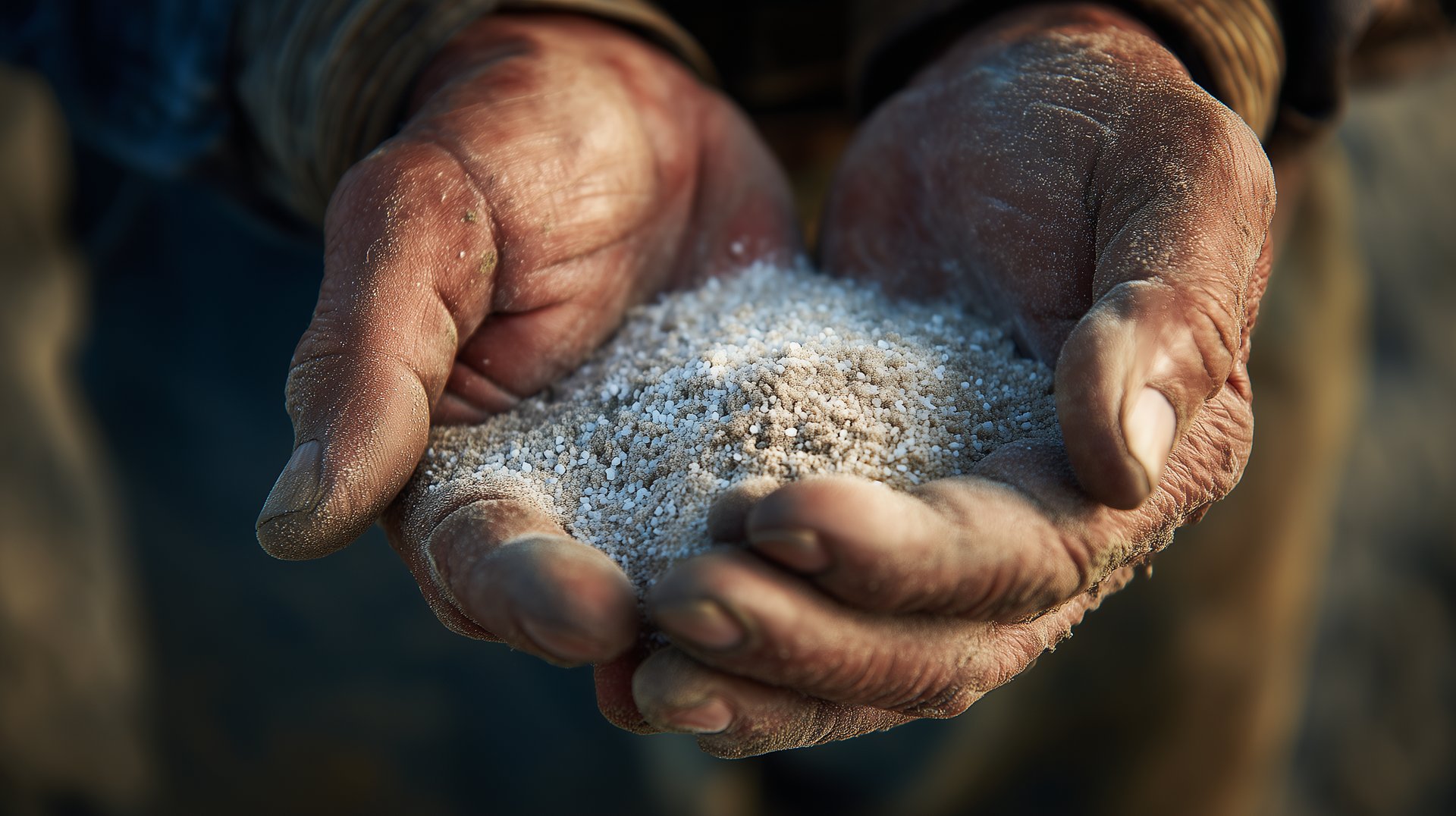
We imported what we didn't really need.
Nepal imports what it once grew, and grows what it does not need. Every year, billions leave the country to pay for food we have the land, water, and knowledge to produce ourselves. Rice, vegetables, fruits, even basic staples now arrive in trucks and containers, while fertile fields lie idle and farmers abandon the soil for foreign wages. More than 70% of our fertilizers are imported. When global supply chains tighten, our farms stall. When fuel prices rise, our food system trembles. What should be self-sustaining has become dangerously dependent.
This is not trade. This is vulnerability.
We have not just opened our borders to goods. We have slowly closed ourselves off from our own capacity to produce, to regenerate, to endure. And so the paradox deepens. A country rich in rivers, forests, and fertile earth finds itself importing survival. A people rooted in the land begin to drift away from it.
MOOL exists to reverse this drift. To rebuild a system where what we consume is grown from our own soil, where farmers are not the most vulnerable but the most valued, and where nature is not an afterthought, but the foundation.
Because dependence is easy. Resilience must be built.
Now we're addicted to it.
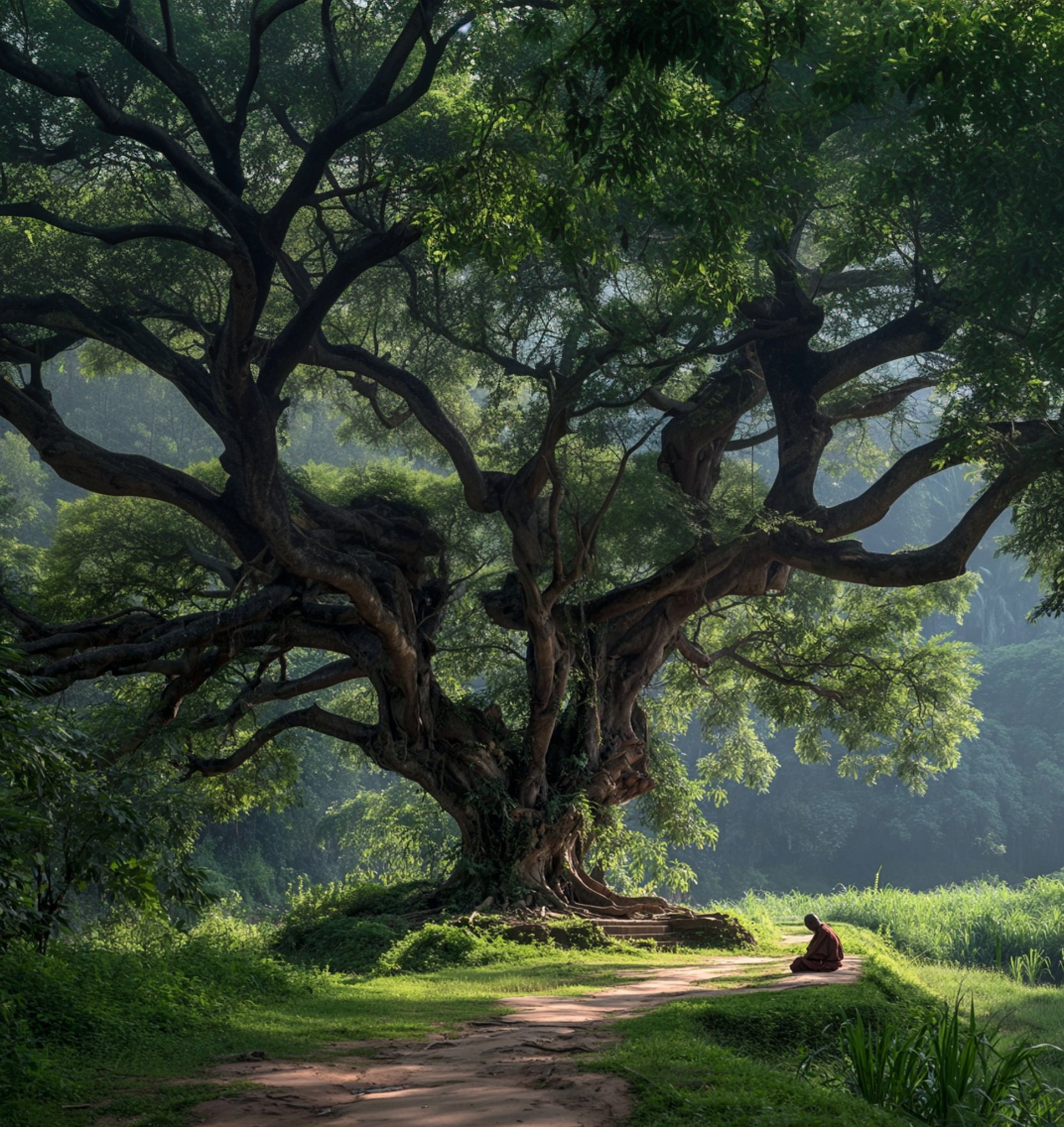
Soil is not passive ground. It is a living, breathing system - dense with memory, teeming with life, quietly orchestrating the conditions for everything that grows. Every grain harvested, every meal shared, every village sustained rests upon my unseen labour. I anchor roots, store water, nurture biodiversity, and hold together the fragile balance that rural economies depend upon.
Yet I am being worn thin. Eroded by haste. Stripped by excess. Tired from chemicals that promise yield but steal life.
Fields once alive with diversity now depend on inputs that weaken me further. Land is divided, overworked, and misunderstood. Practices once guided by rhythm and respect are being replaced by urgency and extraction. And in this quiet shift, something profound is being forgotten—not just how to farm, but how to belong. What is needed is not something new. It is something remembered.
Restoration, not reinvention. A return to methods that work with me, not against me. Regenerative farming that rebuilds what has been lost. Seeds that are local, resilient, and sovereign. A respect for terrain that listens before it acts. To heal me is not to slow progress - it is to make it possible.
Here is how we begin:
Soil regeneration pilot programs that restore fertility and structure
Farmer storytelling networks that carry wisdom from one generation to the next
Indigenous agriculture documentation that preserves knowledge before it disappears
Youth return-to-land initiatives that reconnect future generations with source
I do not ask to be protected. I ask to be understood—and worked with. For when I begin to fail, certainty dissolves above me.
And what you call an economy quietly turns into a series of compromises with survival.
I am not beneath you.
I am within everything you depend on.
Connect with us
MOOL is more than an organization—it is a growing movement of citizens, communities, educators, scientists, storytellers, entrepreneurs, and young people who believe Nepal's greatest wealth lies in the health of its rivers, forests, soil, air, and skies. If you share our conviction that a nation's future begins at its source, we invite you to connect with us. Whether you wish to volunteer, collaborate, support our initiatives, share an idea, or simply learn more, your voice and participation matter. Together, we can build a future where prosperity and nature thrive as one.
mool@mool.space
+977 9744305768